British
Trombone
Society
Welcome to the website of the BTS,
home of all things trombone in the UK.


Hercules Stands is pleased to support the British Trombone Society

Contact advertising@britishtrombonesociety.org to feature on our website

Discount on subscriptions to BTS Members.

Affiliate Membership available to BTS Members.

Discount on subscriptions to BTS Members.

Discount on insurance policies to BTS Members.

Discount on insurance policies to BTS Members.

Discount on instrument servicing to BTS Members.

Discount on products to BTS Members.

Discount on tutorial books to BTS Members.

Discount on sheet music to BTS Members.

Mortgage Advice.

Discount on professional photographs to BTS Members.

Discount on pre-booked town and city centre parking to BTS Members.

Discount to BTS Members on online sheet music purchases.

Foxy Dots Music offers a 10% discount to BTS Members

10% Discount to BTS Members.

Bone-afide offer 10% Discount from the online shop to BTS Members.

A 15% discount on Servicing & Repairs

BTS Exam Project - Be a part of this great resource!
-
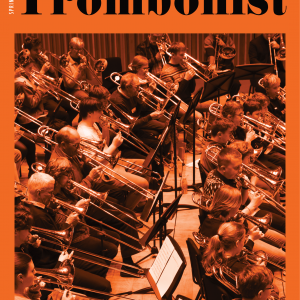
The Trombonist - Spring 2024
The Spring 2024 edition of The Trombonist magazine is now published.
Read More > -

RWCMD Prize for Pedwar Bones
Congratulations to Pedwar Bones, who have been named joint winners of the RWCMD Philip Jones Brass Ensemble Prize.
Read More > -

Trombone on the Run
On 21 April, Nathaniel Dye will be running the London Marathon whilst playing the trombone - with stage 4 incurable/terminal bowel cancer and a colostomy bag.
Read More > -
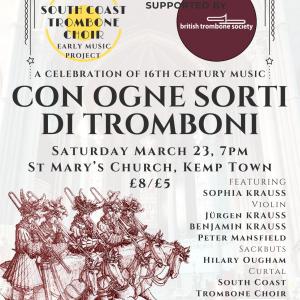
Con Ogne Sorti Di Tromboni
On 23 March The South Coast Trombone Choir will present A Celebration of 16th Century Music - Con Ogne Sorti Di Tromboni.
Read More >
Upcoming Events
-
May4
Hepworth Band Youth Brass Day feat. Katy Jones
14:30 - The Civic, Holmfirth Civic Hall, Community Trust, Holmfirth Civic Hall, Huddersfield Road, Holmfirth, HD9 3AS
-
May19
BTS Trombone Day Northeast 2024
11:00 - Mark Hillery Arts Centre, , Collingwood College, , South Road,, Durham, , DH1 3LT
-
May25
Day of Brass
10:00 - Furness Academy, , Park Drive, , Barrow-in-Furness, , Cumbria, , LA13 9BB
-
May25
Peter Moore
16:30 - Furness Academy, , Park Drive, , Barrow-in-Furness, , Cumbria, , LA13 9BB
Connect With Us


Fundraising
You can support the BTS for free when shopping online. When you use Easy Fundraising and Amazon Smile to shop, the retailer then makes a small donation to say thank you and those funds are sent to support our cause, helping us to provide an even better quality of service to our members.

Join BTS
Join the British Trombone Society and enjoy the full benefits of membership.
-

Member Discounts
The British Trombone Society has teamed up with a host of companies to bring you even more value for your membership fee.
-

Well-Being
The BTS is pleased to offer members and their families a range of medical health cover offered through Hospital and Medical Care Association, in addition to insurance cover and hearing-related products.
-

BTS Magazine
The Trombonist magazine is free to members. The magazine is published online, three times per year and contains articles on every facet of trombone playing - from early music to jazz and avant garde.